


Do You Need an Irrevocable Life Insurance Trust(ILIT) in California?


Short Answer
An Irrevocable Life Insurance Trust (ILIT) may be useful in California if a life insurance policy could increase your taxable estate, if beneficiaries need inheritance protection, or if family circumstances involve remarriage, stepchildren, business succession, lawsuits, creditors, divorce protection, or a spendthrift child. An ILIT owns the policy, receives the death benefit, and distributes life insurance proceeds under trust terms instead of through an outright distribution.
Introduction: Why a Life Insurance Policy Can Become an Estate Planning Trap
Life insurance often feels simple: buy a policy, name a beneficiary, and let the death benefit pass income tax-free. However, in California estate planning, simplicity can hide risk. If the insured keeps policy ownership or incidents of ownership, the insurance proceeds may be included in the taxable estate.
For high-net-worth families, married couples, business owners, and blended families, an ILIT can turn a life insurance policy into a protected asset. Instead of sending a large inheritance directly to a checking account, the trustee can manage trust distributions for beneficiaries under clear trust governance rules.
What Is an Irrevocable Life Insurance Trust?
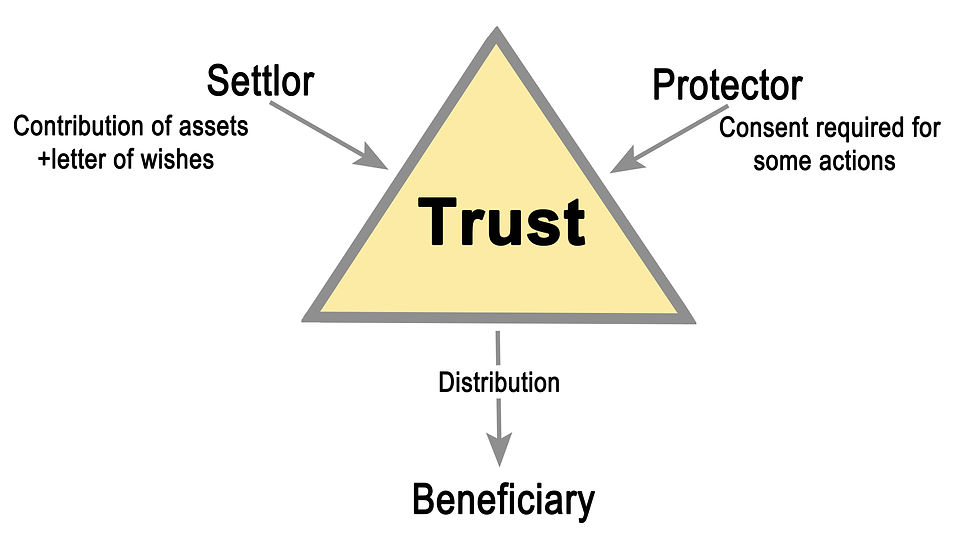
An Irrevocable Life Insurance Trust, or ILIT, is an irrevocable trust designed to own one or more life insurance policies. The grantor creates the trust document, obtains a trust EIN or taxpayer identification number, and names a trustee to administer the trust.
The trustee may be a spouse, adult child, trusted family member, professional trustee, trust company, or co-trustees. However, trustee selection matters because the trustee handles premium payments, Crummey notices, ILIT bank account records, trust compliance, Form 1041 issues when needed, and trust administration after death.
Unlike a revocable living trust, an irrevocable trust usually cannot be freely changed. That loss of control is the price of potential estate tax planning, asset protection, creditor protection, inheritance protection, and legacy protection.
Why California Families Use ILITs
California has no separate state estate tax, but California families can still face federal estate tax exposure. A family with a $3 million home, $12 million investments, retirement assets, a $1 million policy, and business interests may quickly approach or exceed the federal estate tax exemption.
An ILIT can help with:
Estate tax reduction: The death benefit may stay outside the taxable estate if the ILIT is properly created, funded, and administered.
Estate liquidity: Life insurance proceeds can help pay federal estate taxes, debts, expenses, or equalization payments without forcing a sale of a family business or appreciated assets.
Probate avoidance: Trust ownership can help avoid probate for the policy proceeds.
Inheritance protection: Trust assets can remain protected from irresponsible spending, an immature beneficiary, or a “trust-fund baby” problem.
Family security: Trust terms can support a spouse, children, stepchildren, or a special needs beneficiary while protecting long-term family wealth.
ILITs, Taxable Estates, and the 2026 Exemption Sunset
The federal estate tax exemption changes over time, and the phrase “2026 exemption sunset” remains central in estate analysis. Therefore, California residents with significant estate value should review estate tax exemption planning before assuming their estate plan is safe.
For example, a taxable estate may include a home, investments, business interests, retirement accounts, life insurance policies, and certain transferred policy interests. If the insured owns the policy at death, the death benefit can increase the taxable estate.
An ILIT addresses that issue through trust ownership. The trust, not the individual, owns the policy. As a result, the death benefit may pass to trust beneficiaries outside the insured’s estate if federal tax law requirements are satisfied.
The Three-Year Rule: Why IRC §2035 Matters
Internal Revenue Code Section 2035, often called the three-year rule, can create problems when an existing policy is transferred into an ILIT. If the grantor transfers a life insurance policy to the ILIT and dies within three years, the transferred policy may still be pulled back into the taxable estate.
For that reason, many estate planning attorneys prefer having the ILIT purchase a new policy from the beginning. A new permanent policy, term policy, second-to-die policy, or survivorship policy may avoid the transferred policy problem if structured correctly.
Still, the right answer depends on the policy, age, health, underwriting, cash value, premium structure, and estate planning goals.
Premium Payments, Crummey Notices, and Gift Tax Planning
Most ILITs need annual gifts from the grantor to pay policy premiums. The grantor makes a cash gift to the ILIT bank account, and the trustee uses those funds for premium payments.
However, gifts to a trust can create gift tax issues. To qualify gifts for the annual gift tax exclusion, many ILITs use Crummey notices. These notices come from the famous Crummey case, Crummey v. Commissioner, and give beneficiaries temporary withdrawal rights.
This structure can convert what might otherwise be a future interest into a present interest. Some ILITs also include hanging withdrawal rights, gift tax exemption planning, and generation-skipping tax planning when the beneficiaries include grandchildren or later generations.
The trustee must send notices properly, keep records, maintain the trust EIN, and follow the trust terms. Poor trust compliance can weaken the plan.
ILITs for Married Couples, Community Property, and Separate Property
California community property rules add another layer. A married couple may own assets as community property, separate property, or a mixture of both. In addition, separate property funds may pay premiums, or community property may fund the policy.
That distinction matters. If a grantor uses community property to fund an ILIT, the spouse’s rights and tax consequences should be reviewed carefully. In some cases, married couples use separate ILITs, a joint plan, a second-to-die policy, or a survivorship policy.
In second marriage or third marriage situations, an ILIT can also help balance a spouse’s needs with children from a prior relationship. The trust can support the surviving spouse while preserving inheritance for stepchildren or adult children.
Asset Protection, Divorce Protection, and Lawsuit Risk
An ILIT is not just a tax planning tool. It can also serve as an inheritance protection structure.
If a beneficiary receives an outright distribution, the money may land in a checking account. After that, it may become vulnerable to a creditor, plaintiff, lawsuit, divorcing spouse, or irresponsible spending. By contrast, trust assets held in a properly drafted ILIT can include spendthrift provisions, divorce protection language, and creditor protection features.
This structure can be especially valuable for:
A spendthrift child: Trust distributions can be staggered or controlled.
An immature beneficiary: The trustee can pay for education, health, housing, or support.
A divorcing beneficiary: Trust terms may reduce exposure to a divorcing spouse.
A lawsuit-prone beneficiary: The trust may offer a layer of asset protection.
A special needs beneficiary: The ILIT can be coordinated with Social Security Disability, Medicaid, and public benefit rules.
Business Owners, Family Business Planning, and Estate Liquidity
Business owners in California often use ILITs for business succession and estate preservation. A family business may have significant value but limited cash. Therefore, estate liquidity matters.
An ILIT can create liquidity without selling the business. The death benefit can help equalize inheritance among children when one child receives the family business and another receives trust assets. It can also help fund buy-sell obligations, protect family security, and support wealth transfer goals.
For Clovis, Madera, and other California families with concentrated real estate, investments, or business interests, an ILIT may fit into a broader estate plan that includes a revocable trust, subtrust, asset protection trust, charitable remainder trust, or CRT.
Permanent Policy vs. Term Policy in an ILIT
An ILIT can own different types of life insurance policies. A term policy may work for temporary needs, such as paying debt, protecting young children, or covering business obligations. A permanent policy may support long-term legacy planning, estate tax liquidity, and wealth transfer.
The right policy depends on:
Estate value: Larger estates may need permanent coverage.
Trust funding: Premiums must be affordable and sustainable.
Beneficiaries: Children, stepchildren, spouse, and trust beneficiary needs may differ.
Tax planning: Estate tax, gift tax, and generation-skipping tax planning may affect the structure.
Policy ownership: The ILIT must hold ownership correctly to avoid incidents of ownership.
When an ILIT May Not Be Necessary
An ILIT is powerful, but it is not always appropriate. A smaller estate may not need complex estate tax planning. A simple revocable trust, beneficiary designation review, or updated estate plan may be enough.
An ILIT may also be too restrictive if the grantor wants continued control. Because the trust is irrevocable, trust funding decisions should be made carefully. In addition, premium obligations, trustee duties, Crummey notices, trust compliance, and administrative costs must make sense.
Therefore, an ILIT works best when the benefits outweigh the complexity.
FAQs About ILITs in California
Is an ILIT the same as a revocable living trust?
No. A revocable living trust can usually be changed by the creator. An ILIT is irrevocable and is designed to own life insurance outside the taxable estate when properly structured.
Can an ILIT protect life insurance proceeds from creditors?
An ILIT may provide creditor protection for beneficiaries when it includes proper spendthrift provisions and the trustee controls distributions. However, asset protection depends on trust terms, timing, funding, and applicable law.
Who should be the trustee of an ILIT?
A trustee may be a trusted family member, adult child, professional trustee, trust company, or co-trustees. The trustee should be organized, neutral, financially responsible, and able to handle Crummey notices, premium payments, records, and trust compliance.
Can a spouse be a beneficiary of an ILIT?
Yes. A spouse can be a beneficiary, but the structure must be drafted carefully. Married couples should consider community property, separate property, estate tax exemption, trust distributions, and second marriage planning.
What happens if an existing policy is transferred to an ILIT?
A transferred policy may trigger IRC §2035 concerns if the insured dies within three years. Therefore, an estate planning attorney should review the three-year rule before transferring ownership.
Conclusion: The Right ILIT Can Protect More Than a Policy
An Irrevocable Life Insurance Trust can do more than hold a life insurance policy. It can protect insurance proceeds, reduce taxable estate exposure, support family security, create estate liquidity, guard against creditors and lawsuits, preserve inheritance, and strengthen long-term legacy planning.
If you have questions about California estate planning, probate, your responsibilities as a California trustee, or how to administer a California trust, contact the trusted California trust and probate attorneys at Moravec Varga & Mooney to schedule a telephonic consultation. To get started, call (626) 793-3210 or email LV@MoravecsLaw.com.


Comments