


A Guide to Discretionary Trusts in California: What you need to know?


Introduction:
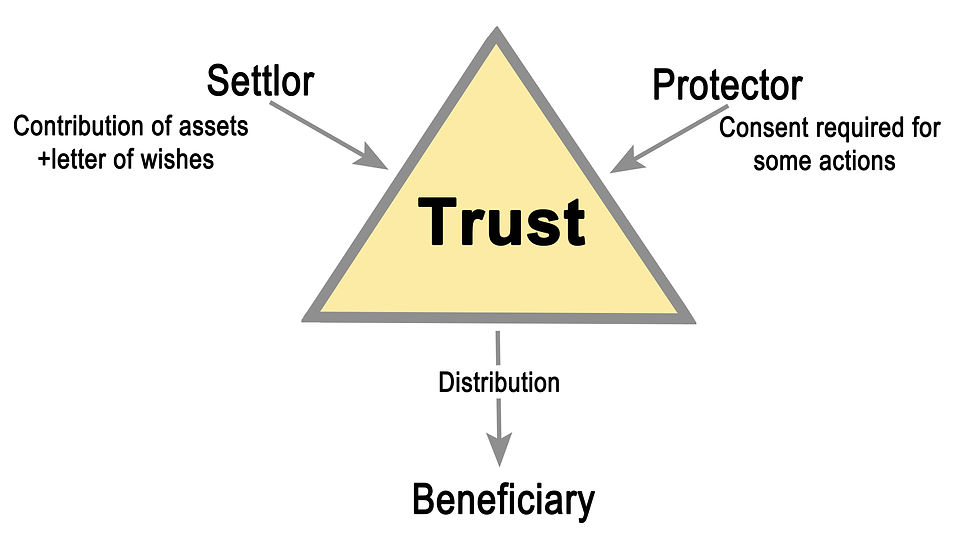
A discretionary trust is a crucial estate planning tool that offers flexibility in managing assets and distributing income among beneficiaries. Unlike other types of trusts, a discretionary trust allows the trustee to have authority over when and how to distribute income and property to beneficiaries. The settlor or creator of the trust can outline terms, but the trustee holds the discretion to manage the assets based on the needs and circumstances of the beneficiaries.
In California, this type of trust is particularly valuable because it ensures that the assets are distributed in accordance with the individual needs of the beneficiaries while also offering protection for minors, individuals with disabilities, or elderly individuals. This comprehensive guide will delve into the specifics of discretionary trusts, helping you understand their benefits, responsibilities, and how they align with estate planning goals.
Short Answer: Key Points About Discretionary Trusts
A discretionary trust is a flexible estate planning tool where the trustee has the authority to decide when and how to distribute assets based on the needs of the beneficiaries. It is commonly used to manage assets for minors, individuals with disabilities, and other beneficiaries with varying circumstances. These trusts provide flexibility, reduce the risk of improper asset distribution, and allow the settlor to retain control over their estate.
What is a Discretionary Trust?
In a discretionary trust, the trustee is granted the discretionary authority to determine how and when the trust's assets will be distributed among the beneficiaries. This contrasts with more rigid trusts, where beneficiaries have an automatic right to receive distributions according to the trust's terms.
This flexibility makes discretionary trusts highly beneficial when managing assets for individuals whose needs vary, such as minors, dependents, or those requiring long-term care due to health issues or disabilities. The settlor, or the person who creates the trust, can establish the broad guidelines for distribution, but it is up to the trustee to evaluate the circumstances of each beneficiary and decide how the income or property should be allocated.
Why Choose a Discretionary Trust?
Flexibility in Asset Distribution: The primary reason many individuals choose a discretionary trust is its ability to provide flexible distribution of assets. The trustee can assess the beneficiaries' circumstances and tailor the distributions to meet their current financial needs, such as healthcare, living expenses, or education costs. This ensures that the assets are allocated in the best interests of each beneficiary, considering their specific needs at any given time.
Protection for Vulnerable Beneficiaries: Discretionary trusts are ideal for providing ongoing support for individuals who may not be able to manage their finances due to disabilities, age, or other limitations. For example, a parent may set up a discretionary trust for their child with special needs, ensuring that funds are used for healthcare, living expenses, and other necessities without the risk of misuse.
Control Over Asset Management: While the settlor creates the framework for the trust, the trustee holds the power to make decisions in the best interest of the beneficiaries. This provides a layer of protection for the estate and allows for asset management based on the evolving needs of the beneficiaries, which could change as they grow older or experience life changes.
Responsibilities of a Trustee in a Discretionary Trust
When establishing a discretionary trust, it is essential to understand the responsibilities of the trustee. The trustee acts as the fiduciary and is responsible for managing the trust’s assets in accordance with the settlor’s intentions and the best interests of the beneficiaries.
Fiduciary Duty: The trustee has a legal obligation to act in the best interests of the beneficiaries. This means that the trustee must manage the assets responsibly, avoid conflicts of interest, and ensure distributions are made according to the trust’s terms.
Discretion in Distributions: The trustee has the discretion to determine when and how to distribute the income or property based on individual needs. This could mean adjusting the distribution for one beneficiary to accommodate the healthcare expenses of an elderly individual or prioritizing the education of a minor.
Annual Accountings and Reporting: In many cases, the trustee is required to provide annual accountings to the beneficiaries, detailing how the assets were managed and distributed. This ensures transparency and upholds the trustee’s fiduciary duty.
Legal Compliance: The trustee must also comply with state laws, including those that govern trust management, asset distribution, and tax obligations. This is especially important in California, where local regulations may differ from those in other jurisdictions like New York or Texas.
Key Advantages of Discretionary Trusts in California
Estate Planning and Wealth Protection:
A discretionary trust provides a valuable tool for estate planning, particularly for wealthy individuals looking to protect their assets from creditors of a beneficiary or those who wish to avoid probate. These trusts allow for the careful management of assets while also offering significant protection against potential financial issues for beneficiaries.
Asset Distribution Based on Circumstances:
A discretionary trust is ideal for those whose beneficiaries’ needs might change over time. For example, the trustee can adjust the distribution of funds as a minor beneficiary matures into an adult child, accounting for changes in living expenses, education costs, or other financial demands.
Tailored to Beneficiaries' Needs:
Whether the trust is designed to provide for a child’s education, healthcare, or the living expenses of an elderly individual, discretionary trusts allow for a flexible distribution of assets that caters to these specific needs.
Frequently Asked Questions (FAQ) About Discretionary Trusts in California
1. What is the main difference between a discretionary trust and an outright distribution trust?
A discretionary trust gives the trustee the authority to decide when and how assets are distributed among the beneficiaries, allowing for flexible management based on individual needs. In contrast, an outright distribution trust requires the trustee to distribute all of the funds and therefore the trustee has no control over how the beneficiary spends the trust assets.
2. Can a discretionary trust help with long-term care expenses for elderly beneficiaries?
Yes, a discretionary trust is ideal for managing assets to cover long-term care expenses for elderly individuals. The trustee has the discretion to allocate funds for healthcare, living expenses, and other necessities based on the individual’s needs and circumstances, ensuring that the elderly individual is properly supported.
3. How can a discretionary trust benefit individuals with special needs?
A discretionary trust is an excellent tool for supporting individuals with disabilities or special needs. The trustee can allocate funds as necessary for medical care, living expenses, or education, while also preserving eligibility for government benefits such as Medi-Cal. This ensures that the individual’s financial needs are met without jeopardizing their benefits.
Conclusion
A discretionary trust offers substantial flexibility in asset distribution, making it an essential tool for estate planning in California. By granting the trustee the authority to manage assets based on the evolving needs of beneficiaries, it ensures that income and property are allocated in a way that meets the best interests of the individuals involved.
However, managing a discretionary trust requires careful planning and a clear understanding of the trustee’s responsibilities, fiduciary duty, and local regulations. To ensure that your estate plan aligns with your goals and adheres to legal requirements, consulting with a legal professional is vital.
For assistance in setting up or managing a discretionary trust, contact Moravec Varga & Mooney today.


Comments