


Will I Get a Bill as My Inheritance in California?

Short Answer
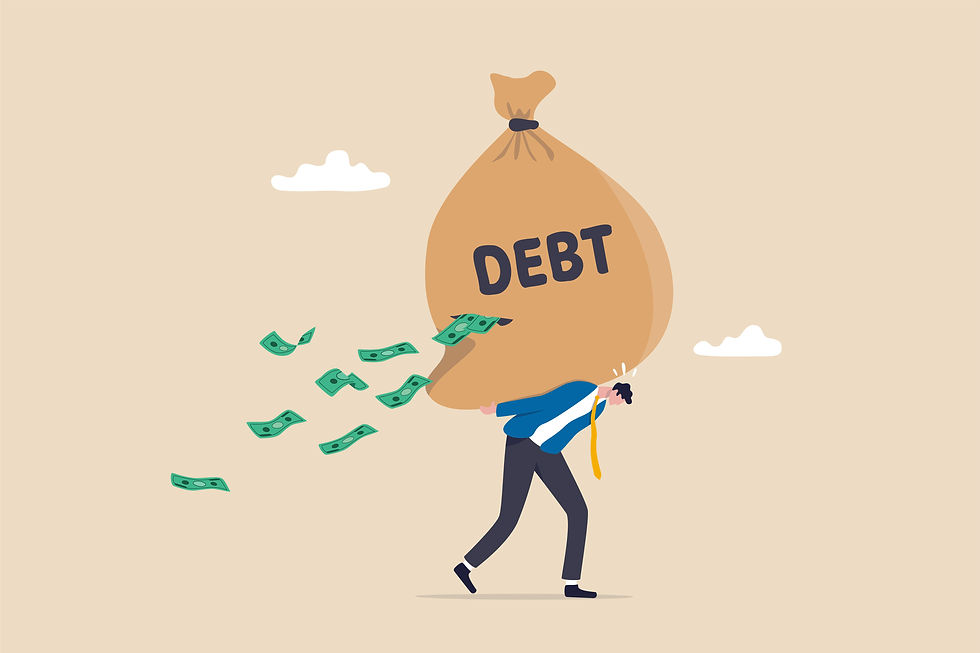
No, you do not inherit a deceased person’s debt in California. However, the estate may be required to repay creditors before you receive your inheritance, and in limited situations involving cosigned loans, joint credit card accounts, or marital debts in a community property state, you may face some degree of financial responsibility. A proper review of the estate, the debt, and California’s inheritance laws is essential.
Introduction: Why Californians Fear “Debt Inheritance”
Many California families worry that when a loved one dies, they will receive not only sentimental memories and cherished assets, but also a bill—credit card balances, medical debts, nursing home bills, long-term care costs, or unpaid loans.
However, California law draws clear lines between a deceased person’s debt and an heir’s personal liability. Understanding this separation helps you protect your rights, manage expectations, and pursue proper estate planning to shield future generations.
This guide explains when heirs must pay a decedent’s debt, how creditors interact with the probate court, and what exceptions every Californian should know.
Do Heirs Inherit Debt in California?
Under California inheritance laws, a beneficiary does not assume a decedent’s debt simply because they inherit assets. Instead, the estate—managed by an executor or personal representative—is responsible for:
Identifying valid creditors,
Assessing all outstanding financial claims,
Paying debts from estate assets, and
Distributing the remaining property according to the will or intestacy rules.
What Happens in Practice
Before any distribution occurs, the estate undergoes a process known as debt repayment, which may include:
Liquidation of property if cash is insufficient,
Filing notices to creditors,
Handling claims filed in probate court,
Settling obligations the law requires the estate to satisfy.
If the estate lacks sufficient assets, the remaining debts generally expire and do not pass to the heirs.
When Can Someone Be Personally Liable for a Decedent’s Debt?
Although heirs do not inherit debt, certain relationships and financial arrangements may expose an individual to personal liability.
1. Cosigned Loans
If you cosigned:
A car loan,
A credit line, or
A private student loan,
you remain legally responsible because you guaranteed the debt independently of the decedent.
2. Joint Credit Card Accounts
If you are a joint account holder, the creditor views you as equally obligated.Note: Being an “authorized user” on a card does not create liability.
3. Marital Debts in a Community Property State
California’s community property laws may assign spouses shared financial obligations, including:
Certain credit card balances,
Some medical costs,
Household financial liabilities incurred during the marriage.
However, even in these cases, the spouse’s obligation arises from marriage—not from inheritance.
4. Long-Term Care or Nursing Home Costs Signed Under a Contract
If a child or spouse signed responsible-party documents for nursing home bills, additional liability could arise depending on contract terms.
5. Fraud or Misuse of Assets
If an heir improperly uses estate assets, fails to return them, or obstructs the executor, a court may impose liability.
How the Estate Pays Debt Before You Receive Your Inheritance
The executor or personal representative must follow strict procedural rules to ensure debts are paid properly. This process includes:
Step-by-Step Overview
Inventorying estate assets such as homes, vehicles, bank accounts, and personal property.
Receiving claims from creditors through formal notices.
Determining whether claims are legitimate under California probate court rules.
Using estate funds—or selling property—to satisfy approved debts.
Managing reimbursements to the Social Security Administration when required.
Distributing remaining assets to beneficiaries.
The Role of Non-Probate Assets
Certain assets pass outside probate and typically bypass debt repayment, including:
Life insurance policy proceeds,
401(k) accounts with named beneficiaries,
Individual retirement accounts (IRAs),
Annuities,
Payable on death accounts.
Creditors generally cannot reach these unless fraud or improper transfers occurred.
Why Proper Estate Planning Prevents Debt Surprises
A well-designed estate plan reduces confusion, litigation, and unexpected debt exposure. Strategic tools include:
Effective Planning Options
Trusts for asset protection and efficient transfers,
Advanced financial planning to ensure debts can be resolved,
Charitable donations to reduce taxable estates,
Clear beneficiary designations on retirement accounts,
Updating documents to reflect marriages, divorces, and changing relationships,
Clear instructions to the executor to minimize disputes.
Why Professional Guidance Matters
Without proper planning, an estate may fall into intestacy, triggering unwanted outcomes, higher costs, and delays in debt settlement and distribution.
A skilled probate attorney ensures:
Compliance with California and federal law,
Accurate identification of debts,
Protection of heirs from unnecessary financial burdens,
Efficient navigation of the probate court system.
What happens if the Estate Cannot Pay the Debt?
If debts exceed available assets, the estate becomes insolvent. California law establishes a clear priority list for repayment:
Estate administration costs,
Secured claims,
Certain taxes,
Valid unsecured debts.
Once assets are exhausted:
Remaining debts typically die with the decedent,
Heirs receive nothing—but also owe nothing, unless an exception applies.
This structure prevents families from being saddled with unmanageable liabilities.
Conclusion
While Californians generally do not inherit debt, misunderstandings about creditors, estate administration, and personal liability can create stress during an already emotional time. Thoughtful estate planning ensures your loved ones receive their intended inheritance without unnecessary complications or legal disputes.
If you are managing an estate, considering your own will, or facing questions about debt and inheritance, the legal team at Moravec Varga & Mooney is here to help. We guide clients through Probate, Trusts & Wills, Trust Administration, Medi-Cal Planning, Pre & Post Nuptial Agreements, and Estate Tax matters across California.
Call us today for a consultation and protect your estate—and your family—from avoidable challenges.


Comments